What is Hand Therapy?
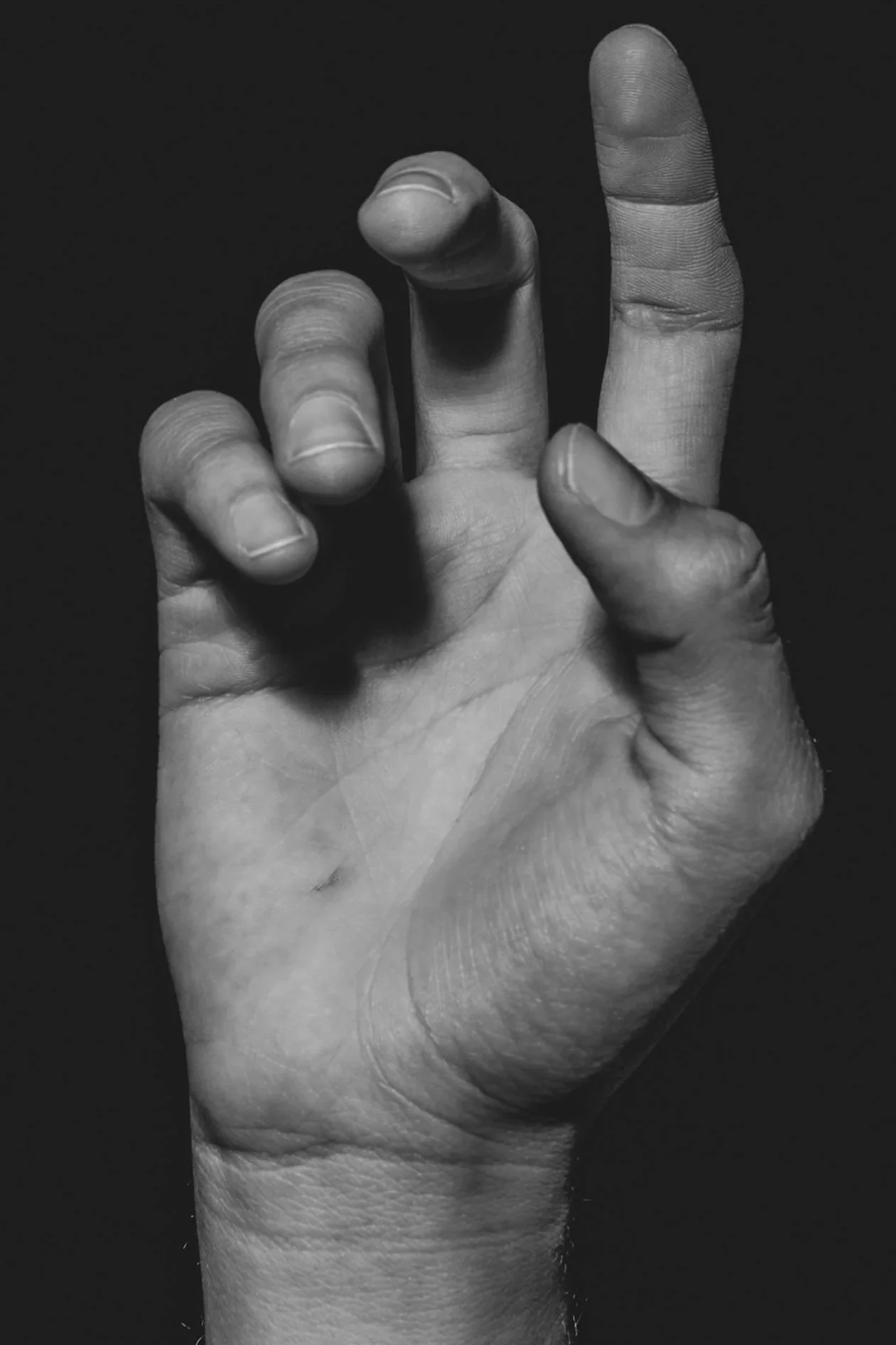
Hand Therapy is a specialised area of rehabilitation focused on assessing, treating, and restoring function to the hand, wrist and the upper limb. Because the hand is essential for daily activities — from gripping and lifting to fine motor tasks — hand therapy blends principles from physiotherapy, occupational therapy, anatomy, surgery, and neuroscience to help people regain strength, movement, and independence.
To practice hand therapy in Australia, you need to be a registered Physiotherapist or Occupational Therapist with the Australian Health Practitioner Regulation Agency (AHPRA).
What is required to be an Accredited Hand Therapist?
An Accredited Hand Therapist (AHTA) is a highly trained upper‑limb rehabilitation specialist who has achieved the highest level of professional recognition in hand therapy in Australia. This credential is awarded by the Australian Hand Therapy Association (AHTA) Credentialing Council and represents advanced expertise in the assessment, diagnosis, and treatment of conditions affecting the upper limb.
To become an Accredited Hand Therapist, a practitioner must:
Be an AHPRA‑registered Occupational Therapist or Physiotherapist
Demonstrate an advanced level of competence in hand and upper‑limb rehabilitation
Complete over 300 hours of advanced upper‑limb education and assessment
Undertake a one‑year mentorship with an experienced hand therapy clinician
Accumulate a minimum of 3600 hours of clinical hand therapy practice
Be formally assessed as qualified and competent to deliver safe, evidence‑based diagnosis, treatment, and patient education
Only practitioners who meet all of these rigorous standards are awarded the title Accredited Hand Therapist (AHTA).